

Charlotte Mason was an educator in England and lived from 1842 to 1923. She is known as the founder of the homeschool movement because she trained nannies, and eventually mothers, in her methods of educating children. She wanted all children, regardless of their rank in society, to receive what she called a “liberal education” with an abundance of “living books.”
Textbooks, like those used in the public school system today, are not “living books” because they are dry and uninteresting. Living books include stories of people who really lived and about events that really happened. They are engaging and have the ability to permeate the mind more than dry facts.
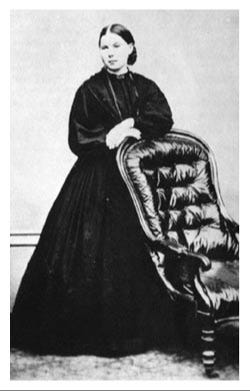
Charlotte said:
“Education is an atmosphere, a discipline, and life.”
Our home environment is the atmosphere our children’s first education. We are not asked to tailor this education to our child, and our home need not look like a preschool classroom. We can use real life, in our real home, to teach our children. We can create an educational atmosphere by providing beautiful books, time outdoors, classical music, pictures of art, interesting and delicious foods, tea time, and by being a mom who regularly smiles at our children.
By “discipline,” Charlotte was referring to habits. What habits do we, the primary educator have (good and bad), that our children are learning, simply by watching us? What habits can we train our children in to make their lives more productive and fulfilling? We can train our children to clear their dinner plate, wash their hands when appropriate, to smile and say hello when greeting someone, to keep their room tidy, to wake and go to bed at reasonable hours, to sit quietly while being read to, to help with household chores, etc.? See the Character and Life Skill sections in this curriculum for more information–and feel free to add any character traits and life skills that you know your child needs.
Education is a “life” means that our child’s curriculum should be broad, varied and interesting. Make learning a way of life in your home. Observe the stars when they are out and stare at them in wonder and awe. Watch a flower as it blossoms and then wilts. If you take on household, car or yard projects, “study” these things with your children. Go beyond the mere task of doing the thing that you need to get done and learn about it with your children. Include them in subjects that you may not have considered including them in, previously. So many parents do their daily tasks alone while their children play, and this can lead to much frustration as the children become loud and create messes. Take the opportunity to connect with your children in every task possible. Education is a life, and life itself is an education.
Charlotte believed that children finally “own” knowledge when they are able to express it. Narration is a key element in a Charlotte Mason-education. This means that students of all ages should be asked to share about something they just heard. This is not done by asking specific questions, but simply, by asking a child “what did you hear?”
Charlotte Mason’s ideas are gentle, practical, and above all, doable for a family of any size.
For more information, see the following links: